
 Wildlife
of Mongolia
Boreal Owl
Strigidae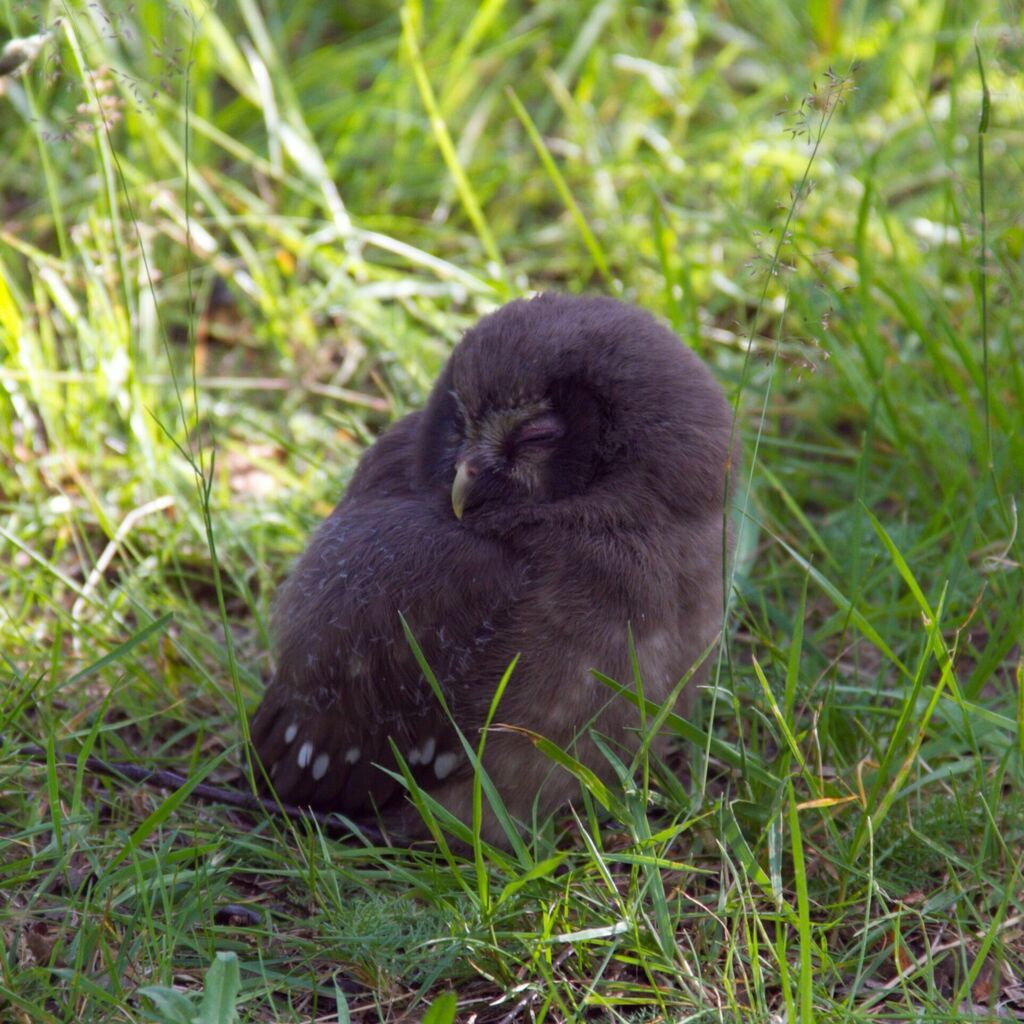
Photo: (c) Lars Falkdalen Lindahl, some rights reserved (CC BY-SA) · CC BY-SA 4.0 (May be cropped or resized)
Aegolius funereus
Basic stats
Diet
Mostly voles, mice, and other small mammals; also small birds and insects
Habitat
Dense boreal, subalpine, and mixed forest, especially coniferous woodland
Range
Northern forest belt across North America and Eurasia
Clutch size
Usually 4–5 eggs; range 2–7
Incubation period
Typically 28 days
Size
21–28cm
Wingspan
55–62cm
Weight
93–215g
The Boreal Owl is a small, large-headed woodland owl measuring 21–28 centimetres and weighing 93–215 grams; females are larger than males. Its pale facial disc surrounds a brown-and-black mottled head, while the bill is whitish yellow. White underparts contrast with a dark brown back and wings marked by lighter spots, and white feathers cover the legs to the claws. Three rows of white spots show on the upper surface of its folded tail. The wings span 55–62 centimetres. (Animal Diversity Web, Boreal Owl account)
Boreal Owls inhabit dense coniferous and mixed forests across the northern forest belt, using trees for roosting, nesting, and hunting perches. Mostly nocturnal and solitary, they wait on a perch before dropping onto voles, mice, and other small mammals; small birds and insects are also eaten, and surplus food may be cached. They nest mainly in old woodpecker holes. A typical clutch has four or five eggs, incubation lasts about 28 days, and the young fledge near 30–31 days but continue receiving parental care afterward. (Animal Diversity Web, Boreal Owl account)
Quick answers
- What does the Boreal Owl eat?
- Mostly voles, mice, and other small mammals; also small birds and insects
- What habitat does the Boreal Owl live in?
- Dense boreal, subalpine, and mixed forest, especially coniferous woodland
- Where is the Boreal Owl found?
- Northern forest belt across North America and Eurasia
- How many eggs does the Boreal Owl lay?
- Usually 4–5 eggs; range 2–7
- How long are the eggs of the Boreal Owl incubated?
- Typically 28 days
- How big is the Boreal Owl?
- 21–28cm
- What is the wingspan of the Boreal Owl?
- 55–62cm
- How much does the Boreal Owl weigh?
- 93–215g