 Wildlife
of Mongolia
Western Capercaillie
Phasianidae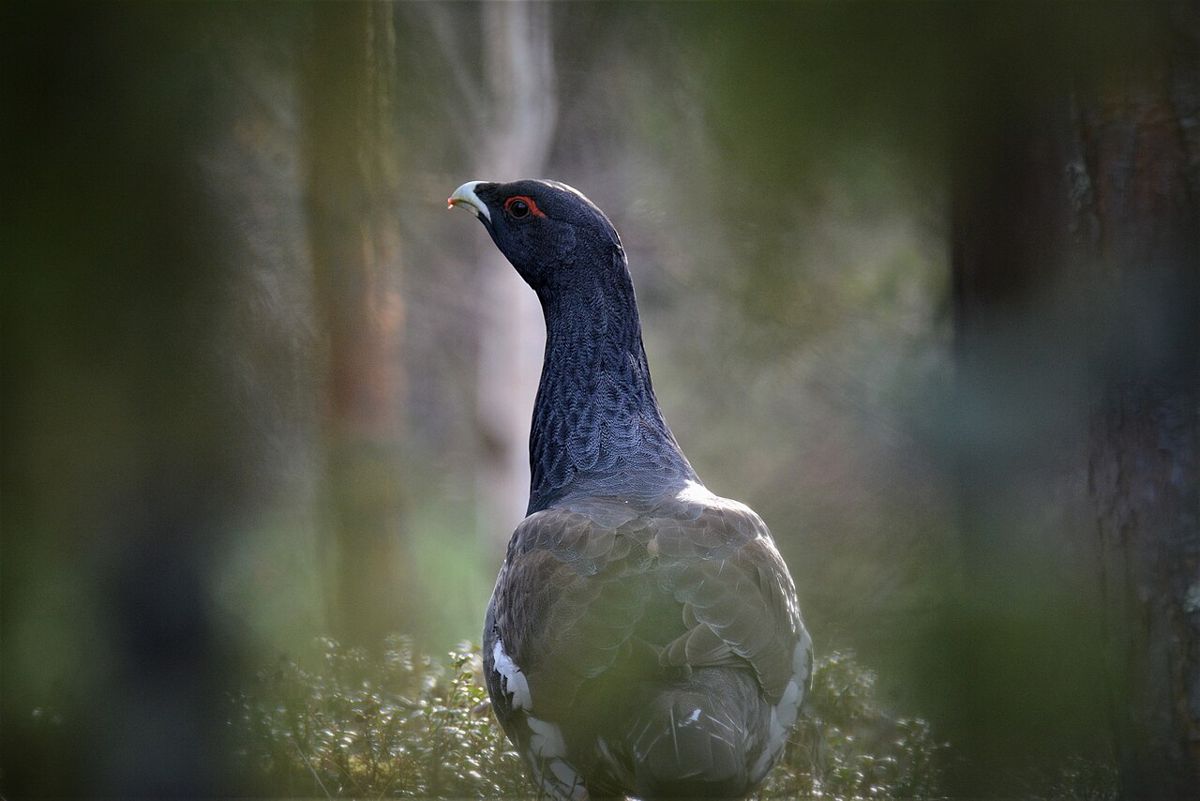
Photo: Majsan02 · CC BY-SA 4.0 (May be cropped or resized)
Tetrao urogallus
Basic stats
Diet
Buds, leaves, berries, grasses, insects, and winter conifer needles
Habitat
Mature, open-canopy conifer forest
Range
Northern Europe and the Palearctic
Clutch size
Around 5–11 eggs
Size
Male usually 74–85cm
Wingspan
Male usually 90–125cm
Weight
Male average about 4.1kg
The Western Capercaillie is the largest living grouse and a heavy, mainly ground-dwelling forest bird. The sexes differ dramatically: males are nearly twice the size of females and typically measure 74–85 centimetres, span 90–125 centimetres, and average about 4.1 kilograms. Plumage varies geographically, but males become progressively whiter beneath toward Siberia, whereas females vary less. Its bulky form, large rounded tail, and marked size difference between cock and hen help distinguish this non-migratory Palearctic grouse. (Wikipedia, Western Capercaillie account)
Western Capercaillies occupy mature conifer forests with varied tree composition and a comparatively open canopy. Adults eat buds, leaves, berries, grasses, insects, and fresh shoots; in deep winter they spend much of their time in trees consuming spruce, pine, or fir needles. Spring males gather at leks, fanning their tails, puffing their chests, and producing whistles and clicks. Females make ground nests from vegetation and feathers, laying about five to eleven eggs. Newly hatched chicks depend heavily on protein-rich invertebrates before shifting toward plant foods. (Woodland Trust and Wikipedia accounts)
Quick answers
- What does the Western Capercaillie eat?
- Buds, leaves, berries, grasses, insects, and winter conifer needles
- What habitat does the Western Capercaillie live in?
- Mature, open-canopy conifer forest
- Where is the Western Capercaillie found?
- Northern Europe and the Palearctic
- How many eggs does the Western Capercaillie lay?
- Around 5–11 eggs
- How big is the Western Capercaillie?
- Male usually 74–85cm
- What is the wingspan of the Western Capercaillie?
- Male usually 90–125cm
- How much does the Western Capercaillie weigh?
- Male average about 4.1kg