 Wildlife
of Mongolia
Red Fox
Canidae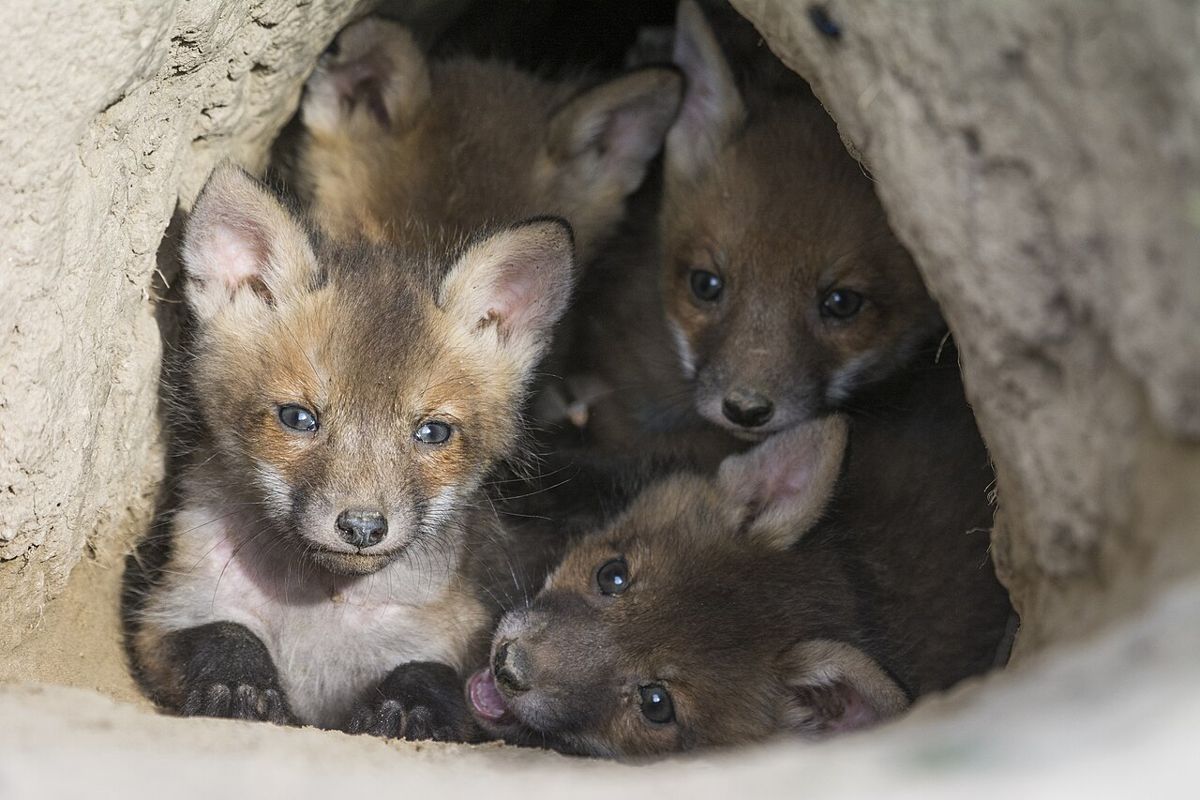
Photo: Divlja Srbija · CC BY-SA 4.0 (May be cropped or resized)
Vulpes vulpes
Basic stats
Diet
Small mammals, birds, reptiles, invertebrates, carrion, fruit, and other plant matter
Habitat
Highly adaptable across natural and human-modified landscapes
Range
Most of the Northern Hemisphere, including Mongolia
The red fox is the largest of the true foxes, with a slender body, pointed muzzle, upright triangular ears, and a long bushy tail. The familiar coat is reddish above with paler underparts and darker lower legs, but the species also produces grey, blackish, and other colour forms. Its tail commonly carries a contrasting pale tip. Compared with the corsac fox, it is larger and generally longer-legged, though coat colour alone is unreliable because both species vary. The broad geographic range has produced substantial regional variation in size and appearance. (Wikipedia, general species account)
Red foxes are adaptable omnivores. Small rodents form important prey, supplemented by rabbits, squirrels, birds, reptiles, insects, carrion, fruit, seeds, and other vegetation. They usually forage alone, locating small prey by sound before making a high pounce, but often live as pairs or small family groups in which older young may help rear a later litter. The species occurs across most of Eurasia and the rest of the Northern Hemisphere. The source opened for this batch supports general biology but does not specify Mongolian habitats or a dependable viewing location. (Wikipedia, general species account)
Quick answers
- What does the Red Fox eat?
- Small mammals, birds, reptiles, invertebrates, carrion, fruit, and other plant matter
- What habitat does the Red Fox live in?
- Highly adaptable across natural and human-modified landscapes
- Where is the Red Fox found?
- Most of the Northern Hemisphere, including Mongolia