 Wildlife
of Mongolia
Black-faced Bunting
Emberizidae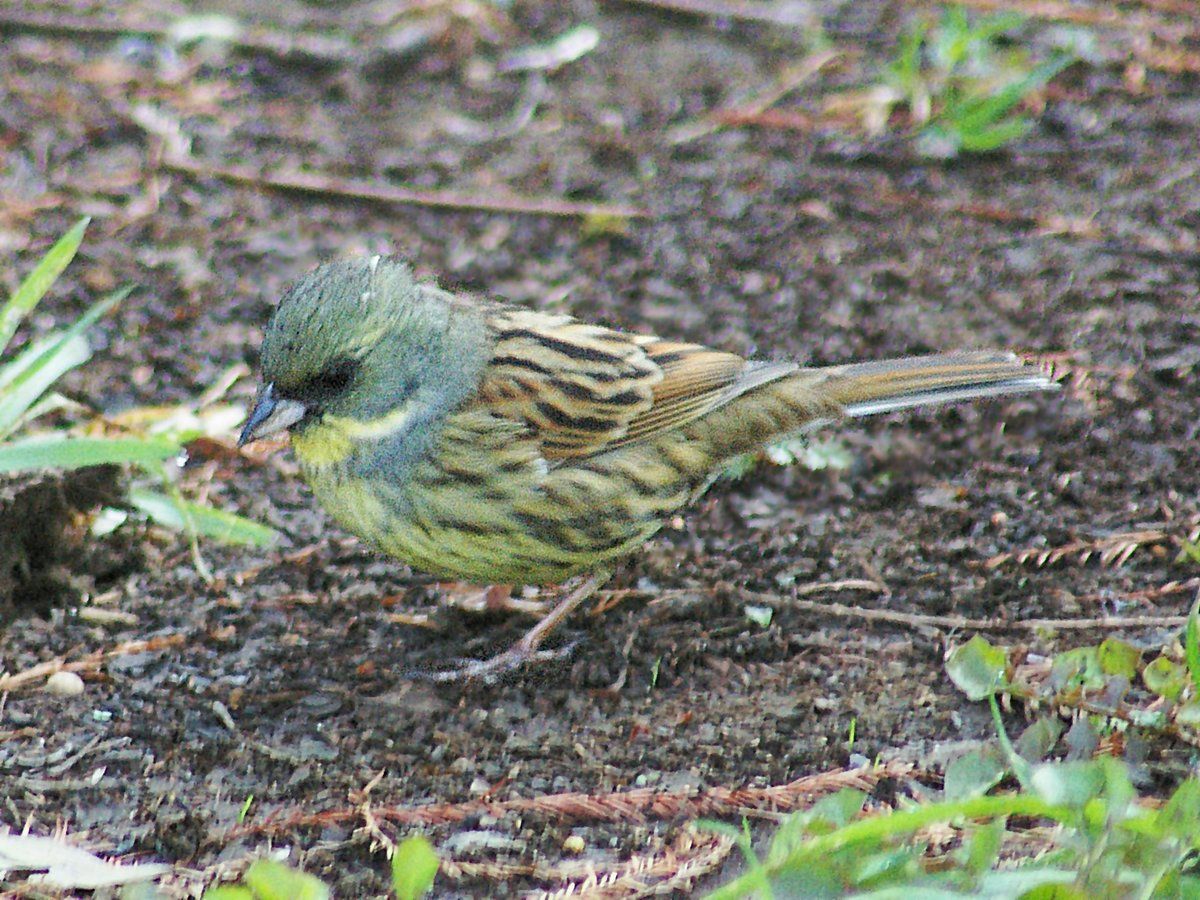
Photo: Materialscientist ( talk ) · CC BY-SA 3.0 (May be cropped or resized)
Emberiza spodocephala
Basic stats
Habitat
Dense undergrowth of taiga and riverine forest; shrubby habitats and crops near water in winter
Range
Breeds from southern Siberia and northern China to northern Japan; winters from China, Korea and Japan to northeast India and northern Southeast Asia
Clutch size
4–5 eggs
Size
About 16cm
The black-faced bunting is a ground-dwelling bird about 16 centimetres long, generally looking like an accentor with a bunting's short bill. The breeding male has a grey head with a blackish patch on the lores and around the eyes like a mask, and yellow moustache stripes and throat. The upperparts are brown with dense black streaking, except on the rump, while the underparts are pale yellow with some brown streaks. (Spanish Wikipedia, general species account)
It breeds from southern Siberia and northern China to northern Japan and is migratory, wintering from China, Korea and Japan to northeast India and the northern parts of Southeast Asia. It breeds in the dense undergrowth of taiga and riverine forest, nesting on the ground or in trees, and lays four or five eggs. In winter it stays near water in shrubby habitats or crop fields. (Spanish Wikipedia and English Wikipedia, general species account)
Quick answers
- What habitat does the Black-faced Bunting live in?
- Dense undergrowth of taiga and riverine forest; shrubby habitats and crops near water in winter
- Where is the Black-faced Bunting found?
- Breeds from southern Siberia and northern China to northern Japan; winters from China, Korea and Japan to northeast India and northern Southeast Asia
- How many eggs does the Black-faced Bunting lay?
- 4–5 eggs
- How big is the Black-faced Bunting?
- About 16cm