
 Wildlife
of Mongolia
Rook
Corvidae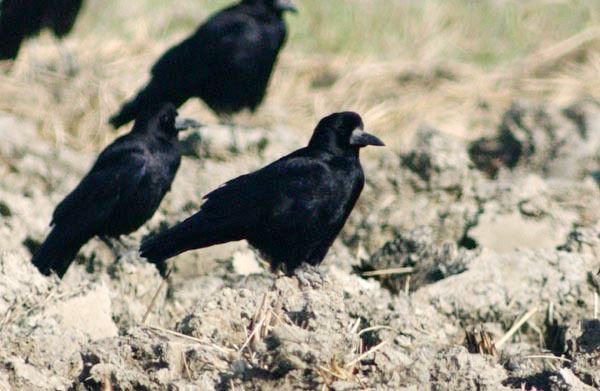
Photo: Kim Hyun-tae · CC BY 4.0 (May be cropped or resized)
Corvus frugilegus
Basic stats
Diet
Soil invertebrates, grain and other plant material
Habitat
Farmland, pasture and open country with tall nesting trees
Range
Palearctic from western Europe and Scandinavia to eastern Siberia
The Rook is a large, glossy black member of the crow family. Adults are most readily separated from similar dark corvids by the pale, bare skin around the base of the bill, which gives the face a whitish appearance. Young birds initially retain feathering around the bill and can therefore look more crow-like. The strong, pointed bill is well suited to probing soil. Its name is associated with the harsh call, and the species is usually encountered socially rather than alone. (Wikipedia, general species account)
Rooks forage across pasture and cultivated ground, probing for grubs and other soil invertebrates while also eating cereals and additional plant foods. They nest communally in the crowns of tall trees, often near villages or farms; these colonies are known as rookeries. Winter flocks may mix with jackdaws and other crows. Most populations are resident, but birds from the coldest northern areas move south. The range extends across the Palearctic from western Europe and Scandinavia to eastern Siberia. (Wikipedia, general species account)
Quick answers
- What does the Rook eat?
- Soil invertebrates, grain and other plant material
- What habitat does the Rook live in?
- Farmland, pasture and open country with tall nesting trees
- Where is the Rook found?
- Palearctic from western Europe and Scandinavia to eastern Siberia