
 Wildlife
of Mongolia
Great Egret
Ardeidae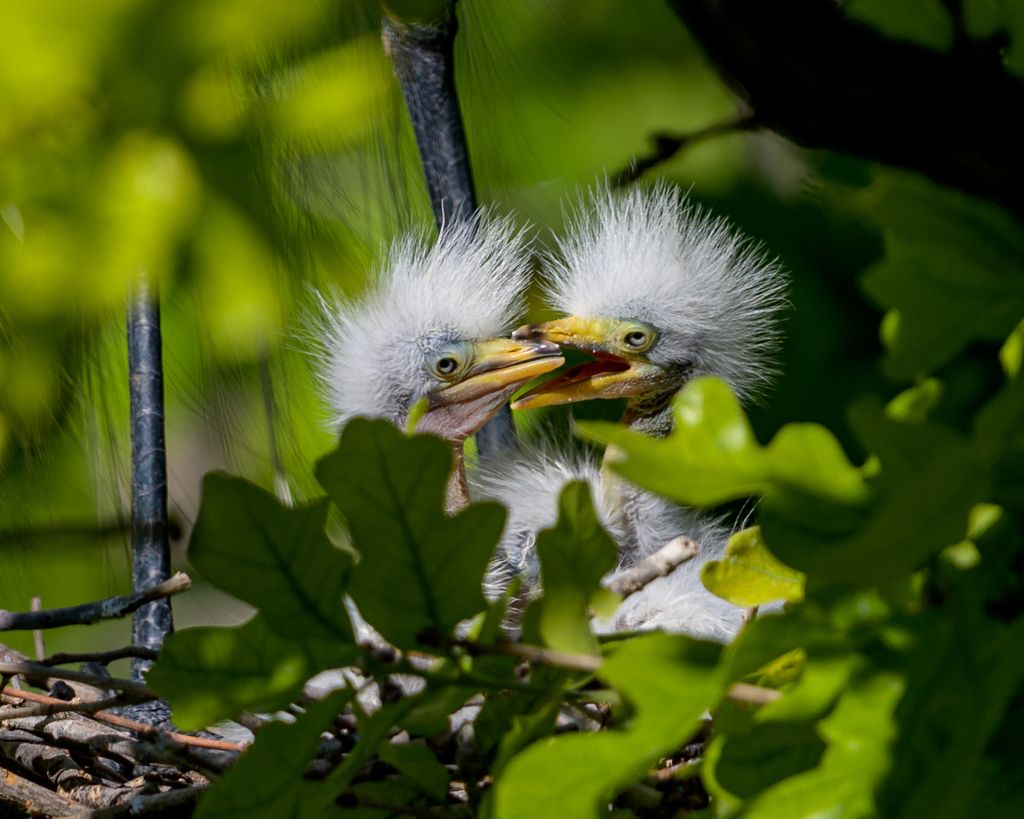
Photo: (c) Shiva Shenoy, some rights reserved (CC BY) · CC BY 4.0 (May be cropped or resized)
Ardea alba
Basic stats
Diet
Fish, amphibians, small mammals, snakes, crayfish and insects
Habitat
Shallow wetlands, reedbeds, lake margins and occasionally drier feeding areas
Range
Warm temperate and tropical regions worldwide
Clutch size
Up to 6 eggs
Incubation period
23–26 days
The Great Egret is a large, entirely white heron found across much of the world's warmer regions. Outside the breeding season it is distinguished from smaller white egrets by its greater size, long yellow bill, and black legs and feet. During breeding the bill can darken, the lower legs may become lighter, and long ornamental plumes develop across the back. In flight it retracts the neck into a pronounced fold, a heron trait that separates it from storks and cranes flying with necks extended. (Wikipedia, general species account)
Great Egrets stalk slowly through shallow water or stand still before striking at fish, frogs, other amphibians, crayfish, snakes, mice and insects. They also forage in drier places when prey is available. Breeding birds form colonies, commonly in trees near large wetlands and reedbeds. A stick nest lined with vegetation may hold as many as six bluish-green eggs; both parents incubate for 23–26 days and feed the young. The species occurs widely in Asia, Africa, the Americas and southern Europe. (Wikipedia, general species account)
Quick answers
- What does the Great Egret eat?
- Fish, amphibians, small mammals, snakes, crayfish and insects
- What habitat does the Great Egret live in?
- Shallow wetlands, reedbeds, lake margins and occasionally drier feeding areas
- Where is the Great Egret found?
- Warm temperate and tropical regions worldwide
- How many eggs does the Great Egret lay?
- Up to 6 eggs
- How long are the eggs of the Great Egret incubated?
- 23–26 days